Domaine Labet
History & Vision
Domaine Labet began in 1974, when Alain and Josie Labet established the family estate in Rotalier, in the southern Jura. Alain was among the first in the area to bottle several topped-up Chardonnays from separate terroirs, which gave the family a fresher, less oxidative white alongside the region’s traditional styles. The next generation changed the estate again. Julien Labet, who trained at Domaine Ramonet, ran his own three-hectare domaine from 2003, while his brother Romain and sister Charline took over the family vineyards, and the estates were later reunited in one company. Today the three siblings run Domaine Labet together, farming organically and, since 2015, making the wines without added sulfites. Those looking to buy Domaine Labet wine will find the parcel bottlings governed by small volumes and private cellars, which is precisely where Grandcru Grapes operates.
Domaine Labet Wine — Vineyard Holdings
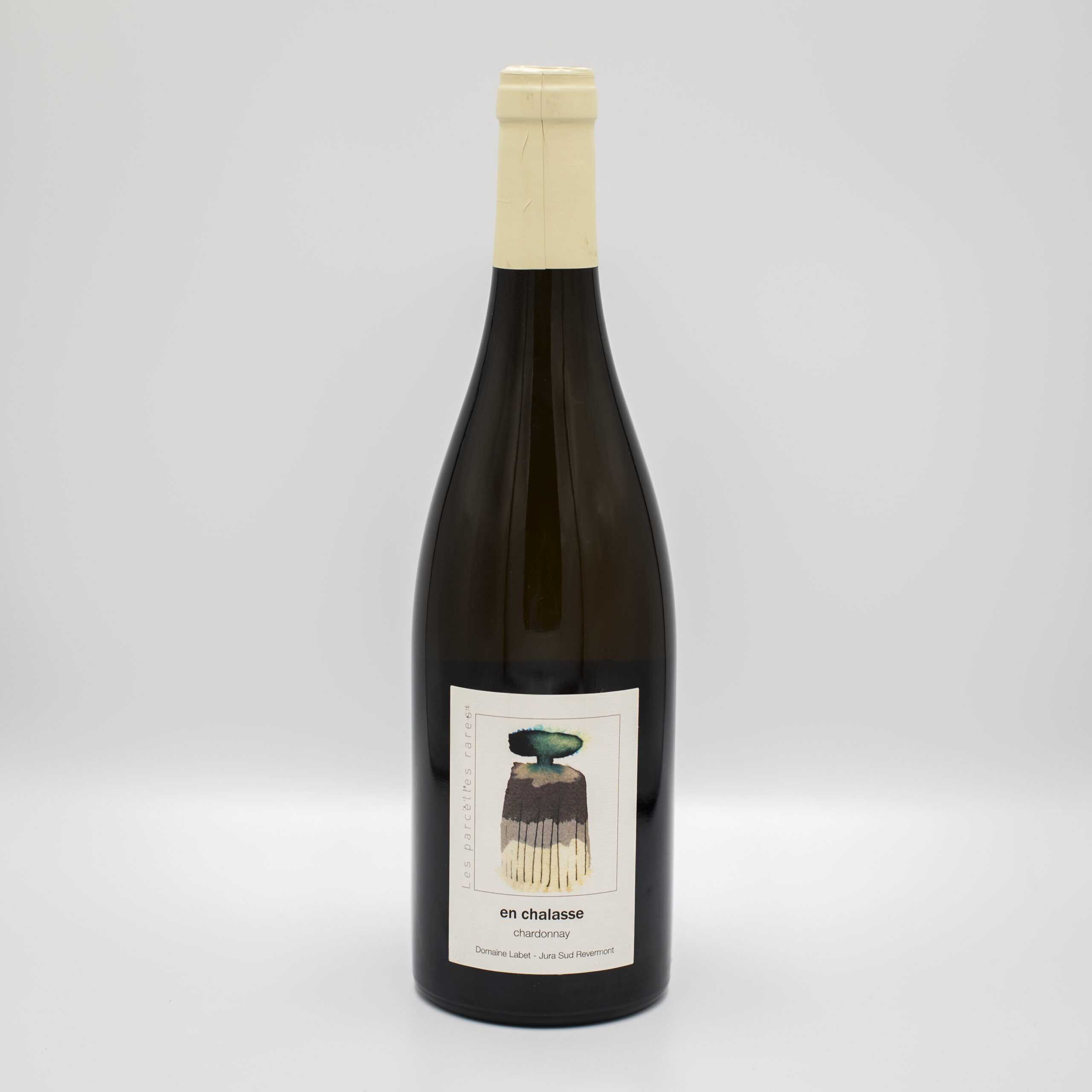
The domaine farms about 14 hectares around Rotalier in the Sud-Revermont, divided into some forty-five parcels, with vines up to ninety years old. The soils are clay-limestone with red, white, yellow and blue marl, rich in marine fossils in places, and the wines take their names from the parcels. Les Varrons, planted between 1947 and 1967, stands on decalcified clay over Bajocian limestone. En Chalasse, planted in 1950 and 1985, is Lias marl with clayey concretions, while La Bardette, planted in 1945, sits on Bathonian limestone. En Billat holds the oldest vines, on blue clay with slate. Most of the vines are massal selections, with some clones. Because Chardonnay and Savagnin are bottled parcel by parcel, the differences between these soils are the point of the range rather than something blended away.
Winemaking Style
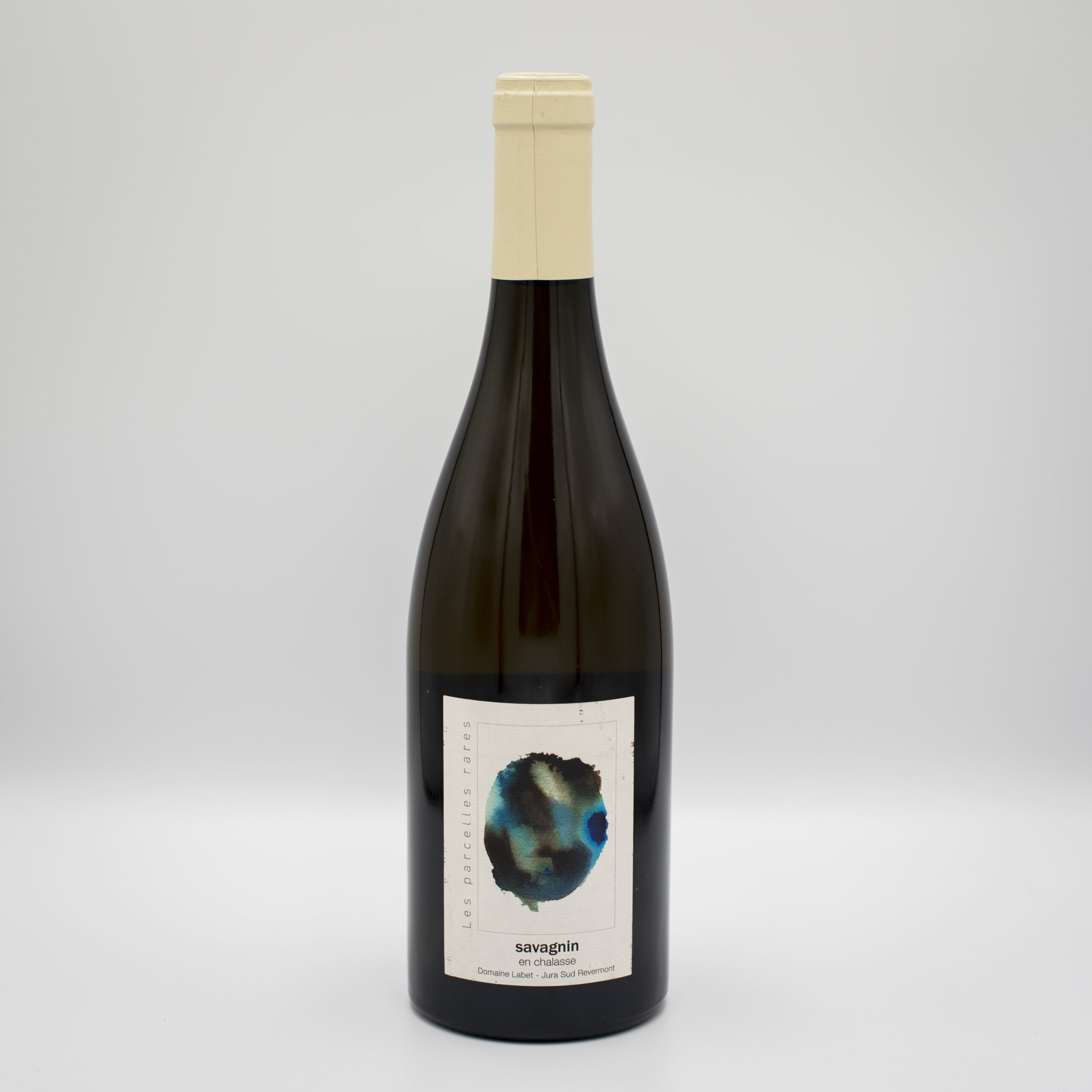
The estate makes both styles of Jura white, and the choice between them shapes the wine more than any other decision. The parcel Chardonnays are mostly topped up (ouillé): the barrels are kept full, so no veil of yeast forms and the wine develops reductively, which gives a fresh, mineral profile. The non-ouillé wines, including the vin jaune, age under a veil and follow the region’s oxidative tradition. Élevage takes place on the lees in used barrels, so oak adds texture rather than flavour. Since 2015 the wines have been made without added sulfites, which leaves little margin for poor storage. Savagnin follows the same logic, with ouillé bottlings from parcels such as En Chalasse alongside the oxidative wines.
Relevance Today
The case for Labet today is a maturity case. Because older vintages cost little more than young ones, a mature bottle gives you time in the cellar that someone else has already paid for. The ouillé Chardonnays are built for a few years in bottle rather than for the release season, and the Savagnin parcels develop more slowly still. For readers who already follow reductive Chardonnay in Chablis, such as Raveneau, Labet is the Jura counterpart worth comparing. For the conditions behind each year, see our Jura harvest reports and vintage chart, and for how we set our dates, our guide to drinking windows.